
HomeInformation CenterFire Safety Knowledge
NEWS CENTER

Information Center

Focusing on fire safety industry trends, policies, regulations, and technological frontiers, we consistently provide you with authoritative and professional information.

9Fire Safety Knowledge
2Information
PinnedFire Safety KnowledgeLatest

Who is responsible for the regular inspection of fire hydrants and fire extinguishers in residential premises?

2026-07-01108 阅读About 5 minutes

I. Commercial and Residential Complexes with Property Management (Applicable to 90% of urban high-rise buildings)

1. Fire hydrants and large fire extinguishers in public areas (stairwells, corridors, lobbies, and basement fire cabinets)

Legally Responsible Party: Property Service Enterprise
According to the
Regulations on Fire Safety Management of High-rise Civil Buildings and the Regulations on Property Management of Residential Areas :

  1. The property management team shall maintain official logbooks to record daily patrols and professional inspections conducted on all fire equipment.
  2. Daily/Weekly Routine Patrols: Check fire hydrant water pressure, fire extinguisher pressure gauges, and external damage.
  3. Annual Comprehensive Inspection: Commission a qualified fire safety inspection agency to conduct full functional testing of the fire hydrant water supply system and fire extinguisher chemical agent pressure, and keep all official inspection reports on file.
  4. Maintenance and Replacement: The property team shall uniformly repair, refill, or replace defective equipment, including fire extinguishers with insufficient pressure/expired/corroded and fire hydrants with insufficient water pressure or missing accessories. All related costs are covered by residential property management fees or the public maintenance fund.
  5. Residents and owners have no legal obligation to inspect fire equipment in public areas. Their only legal responsibility is to protect these facilities from obstruction or occupation. Residents may take photos to document visible damage and submit maintenance requests to the property management office.

2. Personal fire extinguishers and home escape equipment purchased by residents (stored on private balconies or indoors)

Responsible Party: Owner/Occupant
Property management is only responsible for the management of public facilities. The inspection, refilling, and replacement of all home fire safety equipment purchased by occupants themselves are the responsibility of the occupants:

Standard dry powder fire extinguishers need to be refilled with chemicals every 5 years and completely replaced after a service life of 10 years. Pressure gauges should be self-checked every 1-2 months.

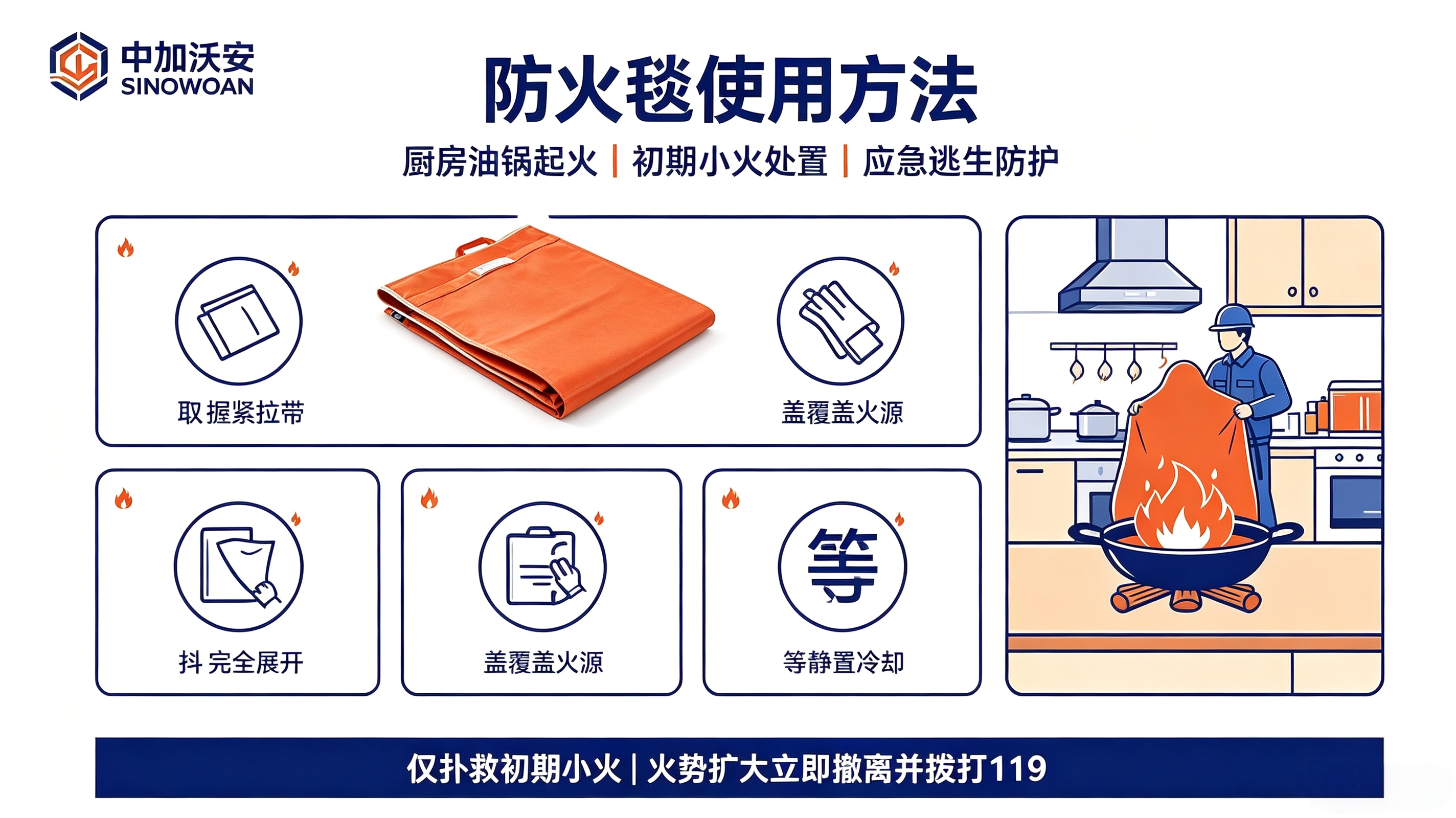
Residents should regularly check personal fire blankets, escape ropes, and smoke masks for material aging and physical damage.

II. Other Types of Residential Buildings

  1. Company employee dormitories: Owned by the enterprise; regular inspection and maintenance are conducted by the company's logistics or security department.
  2. Old unmanaged residential buildings: All owners jointly bear management responsibility. Community committees usually coordinate with resident representatives to conduct joint inspections. All maintenance and replacement costs for fire equipment are shared equally among all occupants. Community fire safety officers conduct regular on-site inspections to urge owners to eliminate potential hazards.

III. Detached Private Houses and Villas (Independent properties, no public corridors)

Owners bear full responsibility for the regular self-inspection, maintenance, and replacement of all fire safety equipment within the premises (including courtyard fire hydrants and personal fire extinguishers). Fire safety regulatory agencies will hold owners directly responsible for any identified hazards during official audits.

IV. Mixed-use Commercial Apartments, Office Buildings, and Retail Stores

  1. Fire hydrants and fire extinguishers on public floors: Regularly managed and inspected by the property management company or commercial operation company.
  2. Fire extinguishers purchased for individual retail stores or office units: Store operators or company management bear full responsibility for regular inspections and chemical refilling.

V. Supervision and Regulatory Accountability (Monitoring compliance with inspection protocols)

Local fire rescue teams, sub-district emergency management offices, and community safety officers conduct random fire safety audits quarterly and annually:

  1. If public fire equipment in a residential community is missing, damaged, or left unmaintained for a long time, the property management party will receive a mandatory rectification notice. Failure to complete repairs within the specified period will result in administrative penalties.
  2. For detached houses and retail premises with expired or defective fire equipment, fire officials will directly summon the owner or operator to enforce the rectification of safety hazards.

Sinowoan Supplementary FAQ

Q1: If a fire hydrant in the corridor has no water or a fire extinguisher is expired, who should residents contact?

First, please contact the property management front desk or the on-site security team. If the property management fails to resolve the issue, please call the government service hotline 12345 or the fire hazard reporting hotline 96119 to file a complaint, which will initiate official supervision and rectification procedures by the fire safety department.

Q2: Does the property management company have the right to force residents to equip fire extinguishers and conduct in-home inspections?

No. Privately owned indoor fire safety equipment is personal property. Property management can only distribute informational advice and has no right to force entry into private residences for inspections. Property management only has the authority to manage and inspect fire safety facilities located in public corridors and common areas.

Related Information

中加沃安SINOWOAN灭火毯全解析:6款灭火毯种类、区别、适用场景
Fire Safety Knowledge2026-08-31
Essential life-saving equipment for high-rise residents
Fire Safety Knowledge2026-07-06
How to Choose the Right Firefighting Equipment for High-Rise Residential Buildings? Zhongjia Woan Fire Protection: A Complete Guide to Firefighting Suits and Self-Rescue Respirators
Fire Safety Knowledge2026-07-03
HomeProductInformationContact
HomeInformation CenterFire Safety Knowledge
NEWS CENTER

Information Center

Focusing on fire safety industry trends, policies, regulations, and technological frontiers, we consistently provide you with authoritative and professional information.

9Fire Safety Knowledge
2Information
PinnedFire Safety KnowledgeLatest

Who is responsible for the regular inspection of fire hydrants and fire extinguishers in residential premises?

2026-07-01
108 阅读
Estimated reading time 5 minutes

I. Commercial and Residential Complexes with Property Management (Applicable to 90% of urban high-rise buildings)

1. Fire hydrants and large fire extinguishers in public areas (stairwells, corridors, lobbies, and basement fire cabinets)

Legally Responsible Party: Property Service Enterprise
According to the
Regulations on Fire Safety Management of High-rise Civil Buildings and the Regulations on Property Management of Residential Areas :

  1. The property management team shall maintain official logbooks to record daily patrols and professional inspections conducted on all fire equipment.
  2. Daily/Weekly Routine Patrols: Check fire hydrant water pressure, fire extinguisher pressure gauges, and external damage.
  3. Annual Comprehensive Inspection: Commission a qualified fire safety inspection agency to conduct full functional testing of the fire hydrant water supply system and fire extinguisher chemical agent pressure, and keep all official inspection reports on file.
  4. Maintenance and Replacement: The property team shall uniformly repair, refill, or replace defective equipment, including fire extinguishers with insufficient pressure/expired/corroded and fire hydrants with insufficient water pressure or missing accessories. All related costs are covered by residential property management fees or the public maintenance fund.
  5. Residents and owners have no legal obligation to inspect fire equipment in public areas. Their only legal responsibility is to protect these facilities from obstruction or occupation. Residents may take photos to document visible damage and submit maintenance requests to the property management office.

2. Personal fire extinguishers and home escape equipment purchased by residents (stored on private balconies or indoors)

Responsible Party: Owner/Occupant
Property management is only responsible for the management of public facilities. The inspection, refilling, and replacement of all home fire safety equipment purchased by occupants themselves are the responsibility of the occupants:

Standard dry powder fire extinguishers need to be refilled with chemicals every 5 years and completely replaced after a service life of 10 years. Pressure gauges should be self-checked every 1-2 months.

Residents should regularly check personal fire blankets, escape ropes, and smoke masks for material aging and physical damage.

II. Other Types of Residential Buildings

  1. Company employee dormitories: Owned by the enterprise; regular inspection and maintenance are conducted by the company's logistics or security department.
  2. Old unmanaged residential buildings: All owners jointly bear management responsibility. Community committees usually coordinate with resident representatives to conduct joint inspections. All maintenance and replacement costs for fire equipment are shared equally among all occupants. Community fire safety officers conduct regular on-site inspections to urge owners to eliminate potential hazards.

III. Detached Private Houses and Villas (Independent properties, no public corridors)

Owners bear full responsibility for the regular self-inspection, maintenance, and replacement of all fire safety equipment within the premises (including courtyard fire hydrants and personal fire extinguishers). Fire safety regulatory agencies will hold owners directly responsible for any identified hazards during official audits.

IV. Mixed-use Commercial Apartments, Office Buildings, and Retail Stores

  1. Fire hydrants and fire extinguishers on public floors: Regularly managed and inspected by the property management company or commercial operation company.
  2. Fire extinguishers purchased for individual retail stores or office units: Store operators or company management bear full responsibility for regular inspections and chemical refilling.

V. Supervision and Regulatory Accountability (Monitoring compliance with inspection protocols)

Local fire rescue teams, sub-district emergency management offices, and community safety officers conduct random fire safety audits quarterly and annually:

  1. If public fire equipment in a residential community is missing, damaged, or left unmaintained for a long time, the property management party will receive a mandatory rectification notice. Failure to complete repairs within the specified period will result in administrative penalties.
  2. For detached houses and retail premises with expired or defective fire equipment, fire officials will directly summon the owner or operator to enforce the rectification of safety hazards.

Sinowoan Supplementary FAQ

Q1: If a fire hydrant in the corridor has no water or a fire extinguisher is expired, who should residents contact?

First, please contact the property management front desk or the on-site security team. If the property management fails to resolve the issue, please call the government service hotline 12345 or the fire hazard reporting hotline 96119 to file a complaint, which will initiate official supervision and rectification procedures by the fire safety department.

Q2: Does the property management company have the right to force residents to equip fire extinguishers and conduct in-home inspections?

No. Privately owned indoor fire safety equipment is personal property. Property management can only distribute informational advice and has no right to force entry into private residences for inspections. Property management only has the authority to manage and inspect fire safety facilities located in public corridors and common areas.
Related InformationRecommended for you